
What does a water softener cost to install?
Compare water softener equipment, installation and ongoing costs, understand what a quote should include, and start with a free Bulldog water assessment.
Request My Free Water Test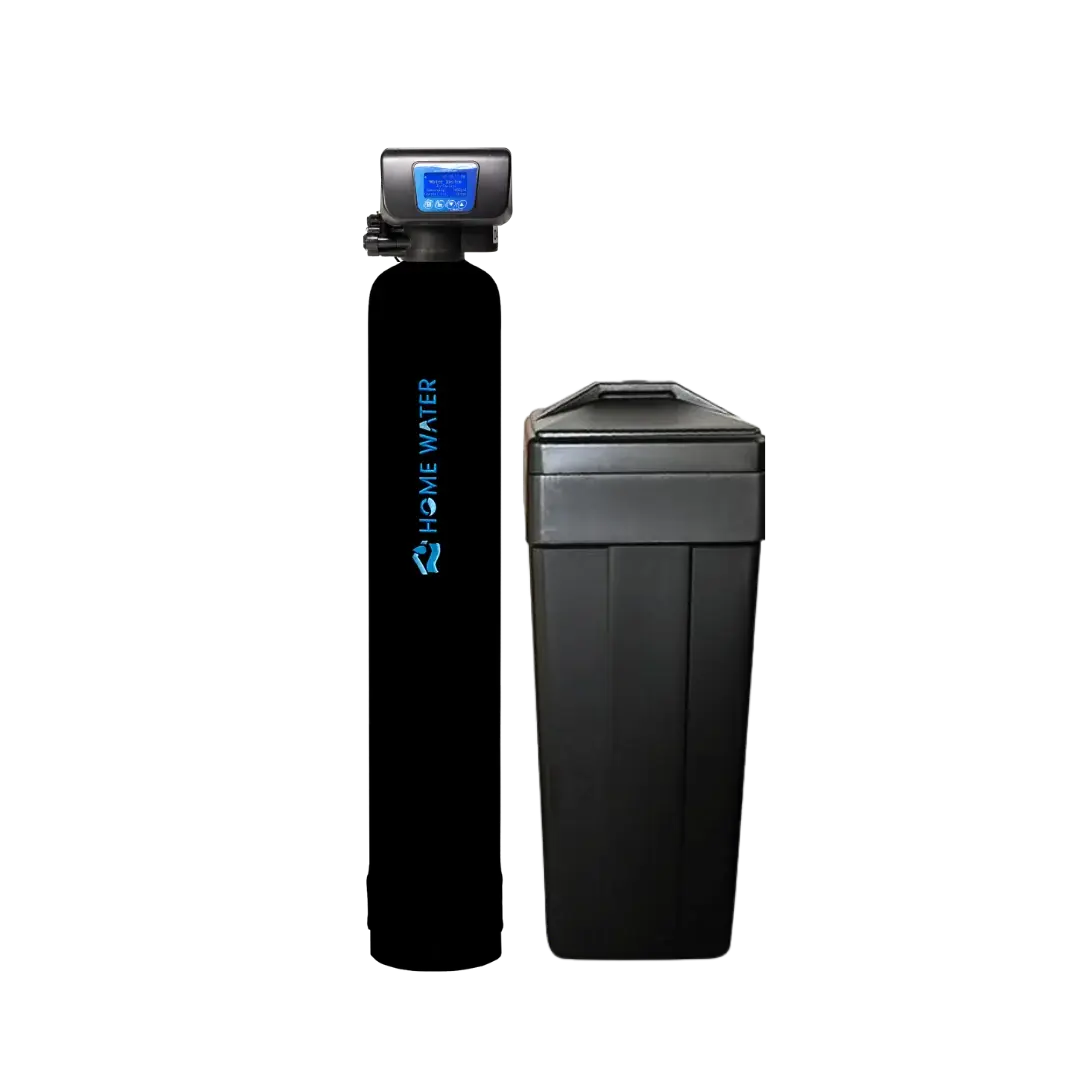
An installed softener price depends on the water hardness, household demand, selected equipment and plumbing work. Culligan publishes a broad $500–$6,000 system-cost reference with varying features and installation needs. That is not a local installed average or a Bulldog quote; compare complete proposals after assessing your water.
References checked October 25, 2026. Source: Culligan: published water-softener cost considerationsFind out whether softening addresses your concern.
A conventional water softener addresses hardness minerals, commonly calcium and magnesium. Filtration and softening are not interchangeable terms. Taste, odor, particles or a concern about a specific contaminant can call for a different approach.
Start by describing what you notice: deposits on fixtures, cleaning concerns or a specific water-quality question. Have hardness measured before selecting equipment. Visible spots alone do not establish the correct system size or prove that water is unsafe.
CDC distinguishes softening from other home treatment methods and recommends choosing treatment for the substances of concern. If you have a health or contamination concern, use the appropriate certified laboratory testing and public-health guidance; a general sales assessment is not a certification of drinking-water safety.
Ask for equipment and installation in the same proposal.
Online prices can describe a tank or package without the work needed to install it in your home. A useful installed quote identifies the model, the plumbing work, setup and the total you would authorize. Ask the provider to explain any line described only as “standard installation.”
The national manufacturer reference above illustrates why a single online average is a weak budget for a particular house. It does not establish the cost of a Bulldog system. Your home may already have a suitable loop, or the installation may need additional work.
| Quote component | What to request in writing |
|---|---|
| Equipment | Model, capacity and included controls or accessories. |
| Plumbing and placement | Connection scope, bypass, drain requirements and site preparation. |
| Setup | Initial settings, testing and owner instructions. |
| Exclusions | Any electrical, repair, permit or additional plumbing costs. |
| After installation | Consumables, maintenance and separate product/labor terms. |
Size around your water and household.
Household demand and measured hardness help determine an appropriate softener. Ask the provider to explain the sizing assumptions rather than choosing solely by the largest advertised capacity. Capacity and the flow needed when several fixtures run are different considerations.
The EPA’s home-treatment guidance recommends considering treatment goals, water use and efficiency. For a softener, ask about regeneration controls and expected salt and water use for your situation. These operating needs belong in the comparison alongside the purchase price.
Confirm the installation location, access for maintenance and the manufacturer’s requirements. If you rent, get the property owner’s approval before authorizing a permanent plumbing change.
Budget beyond installation day.
Request a realistic maintenance schedule for the exact system. Record which tasks you can handle, which need service and what consumables cost. A low initial price is difficult to compare if the ongoing responsibilities are unclear.
Use a simple worksheet: installed price, expected consumables, planned service, replacement items and any financing charges if you choose to finance. Keep assumptions visible. Do not treat optional financing, savings claims or a manufacturer warranty as a guaranteed Bulldog offer.
Keep softening and filtration as separate lines if both are proposed. Ask why each is recommended and which measured concern it addresses. This lets you choose the scope on purpose rather than buying every treatment category at once.
Start with a free Bulldog water test assessment.
Tell Bulldog what you are noticing, where the home is located and whether you already have treatment equipment. A free water test assessment is a practical starting point for discussing suitable options and whether a softener belongs in the plan.
Ask which measurements the assessment includes and what further testing, if any, is appropriate. Review a written system and installation proposal before choosing equipment. The assessment is not a promise that every contaminant will be tested or removed.
Good questions. Clear next steps.
Does a softener also filter drinking water?
A standard softener is designed for hardness. Do not assume it addresses other water-quality concerns. Check the exact system’s certified claims and consider separate treatment only when it fits the need.
Why does an existing plumbing loop matter?
A suitable existing connection may change the installation scope. Its presence alone does not guarantee compatibility or a fixed price; have the location and requirements reviewed.
Is Bulldog’s free assessment a full laboratory analysis?
It should not be treated as one. Ask what measurements are included. Specific health-related or contamination concerns may require certified laboratory testing.
Sources & further reading
Primary references for the facts cited in this guide. Provider requirements and published prices can change.
Understand your water before choosing a system.
Request a free Bulldog water test assessment and discuss the treatment options that fit your home.